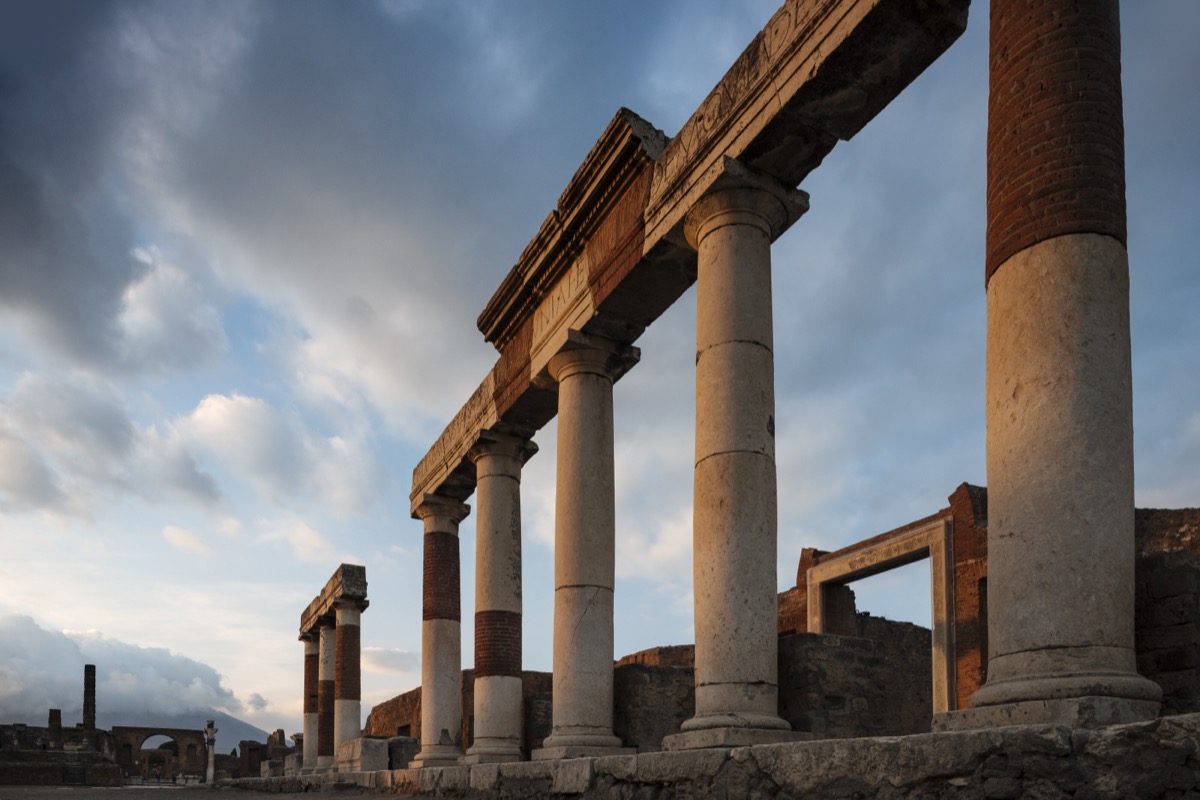
Visiting Pompeii in 2026: A Guide to New Discoveries & Essential Tips
The ancient city of Pompeii, frozen in time by the eruption of Mount Vesuvius in 79 AD, has captivated the world for centuries. But this is no static relic of the past. As we head into 2026, Pompeii is more vibrant than ever, with ongoing excavations revealing breathtaking new treasures and a major new museum space set to open its doors.
If you're planning a visit in 2026, you're in for a treat. Here’s your guide to what’s new and the essential tips you need to know.
What's New in 2026? The Latest Discoveries
Continuous work in previously unexplored areas of the city means there is always something new to marvel at.
Astonishing Finds in Regio IX
Excavations in Regio IX, a central, largely unexcavated section of the city, have recently yielded some of the most significant finds in over a century. Archaeologists have unearthed:
- A private thermal bath complex, giving us a glimpse into the luxurious lifestyles of Pompeii's elite.
- A stunning dining room decorated with rare, nearly life-sized frescoes of Dionysus's retinue, a masterpiece of ancient art.
- A functional bakery and a laundry shop, providing a poignant look at the daily lives and commerce of ordinary citizens.
The Opening of MANN 2
A monumental development for 2026 is the scheduled opening of MANN 2 in Naples. This 10,000 square meter expansion of the renowned Museo Archeologico Nazionale di Napoli (MANN) will finally allow for the public display of countless artifacts from Pompeii that have been kept in storage. Visitors will be able to see actual eruptive materials and walk through multimedia reconstructions of ancient buildings like the Temple of Isis, providing unprecedented context before or after a visit to the archaeological park itself.
Essential Tips for Your 2026 Pompeii Visit
To make your trip smooth and memorable, keep these practical tips in mind.
1. Best Time to Go
The ideal months to visit are March through May or September through October. You'll enjoy comfortable temperatures (60-75°F / 15-24°C) and smaller crowds. Summer is intensely hot with very little shade.
2. Book Your Tickets in Advance
This is crucial. The park has a permanent daily limit of 20,000 visitors, and for peak months (April to October), entry is split into morning and afternoon slots.
- Purchase tickets online from the official Pompeii Archaeological Park website to skip queues that can be over an hour long.
- Morning slots sell out first, so book well in advance if you want an early start.
- Have your ID ready, as it is required when purchasing or picking up tickets.
3. Plan for a Half-Day Visit
To see the main highlights without rushing, allocate a minimum of 4-5 hours. This allows you to explore the Forum, see the famous plaster casts, and wander through various villas and shops.
4. Dress Smart and Pack Light
- Comfortable Shoes are a Must: You'll be walking on ancient, uneven Roman roads for several hours.
- Sun Protection: Bring a hat, sunglasses, and sunscreen. Shaded spots are rare.
- Water Bottle: Carry a reusable water bottle that you can refill at fountains inside the park.
- Small Bag: Only small bags and backpacks are permitted inside.
5. Getting There
The easiest way to reach Pompeii from Naples is via the Circumvesuviana train. Board at the Porta Nolana station (the start of the line, for a better chance at a seat) and take the line heading towards Sorrento. Get off at the Pompei Scavi – Villa Dei Misteri station, which is right next to the main Porta Marina entrance.
6. Enhance Your Experience
- Audio Guides: Rent an audio guide near the entrance for about €8. It provides invaluable context and brings the ruins to life.
- Visit the Naples Archaeological Museum (MANN): To fully appreciate the art and objects of Pompeii, consider visiting MANN (and the new MANN 2) where most of the original frescoes, mosaics, and artifacts are displayed.
A trip to Pompeii in 2026 offers a unique opportunity to witness history being unearthed in real-time. By planning ahead, you can fully immerse yourself in the awe-inspiring story of this ancient Roman city.