Pompeii vs Herculaneum: Which Ancient City Should You Visit?
If you only have time for one ancient city, you are not alone. Both Pompeii and Herculaneum were destroyed in the AD 79 eruption of Mount Vesuvius, yet the experience on the ground is very different. This guide compares size, preservation, and visitor experience so you can choose the best fit. If you can see both, the last section shows how to do it without rushing.
Quick links: visitor guide, tickets, history of Pompeii
The short answer (if you are in a hurry)
- Choose Pompeii if you want a full city grid, broad variety, and a longer day of exploration.
- Choose Herculaneum if you prefer a smaller site with exceptionally preserved architecture and a more compact visit.
- Visit both if you have a full day, good walking stamina, and an early start.
Side-by-side comparison
1) Scale and layout
Pompeii is the larger of the two archaeological areas and offers a broader sample of city-scale spaces. Herculaneum is more compact, which makes it easier to cover in a shorter visit.
Visitor takeaway: Pompeii rewards long, meandering exploration. Herculaneum rewards slower, detail-focused viewing in a smaller space.
2) Preservation and atmosphere
Both sites preserve extraordinary remains, but their feel is different. Pompeii leans toward big public spaces and wide streetscapes, while Herculaneum often feels more compact and intimate.
Visitor takeaway: Herculaneum feels more intimate and architectural. Pompeii feels more like a city plan brought back to life.
3) Time required
Pompeii generally requires more time because it covers a larger area. Herculaneum is easier to fit into a half-day plan for many visitors.
Visitor takeaway: If your schedule is tight, Herculaneum is easier to fit in without sacrificing depth.
4) Crowd levels
Pompeii is one of the most visited archaeological sites in Italy. Herculaneum is popular but generally quieter, with more breathing room in many areas.
Visitor takeaway: For a calmer experience, Herculaneum often wins.
5) Accessibility and navigation
Both sites require walking on uneven ancient stone and comfortable footwear. Pompeii involves longer distances, while Herculaneum can involve more changes in elevation in a smaller footprint.
Visitor takeaway: For people who want a shorter walking distance, Herculaneum may be the better choice. For people comfortable with a longer day, Pompeii offers more variety.
What you will actually see
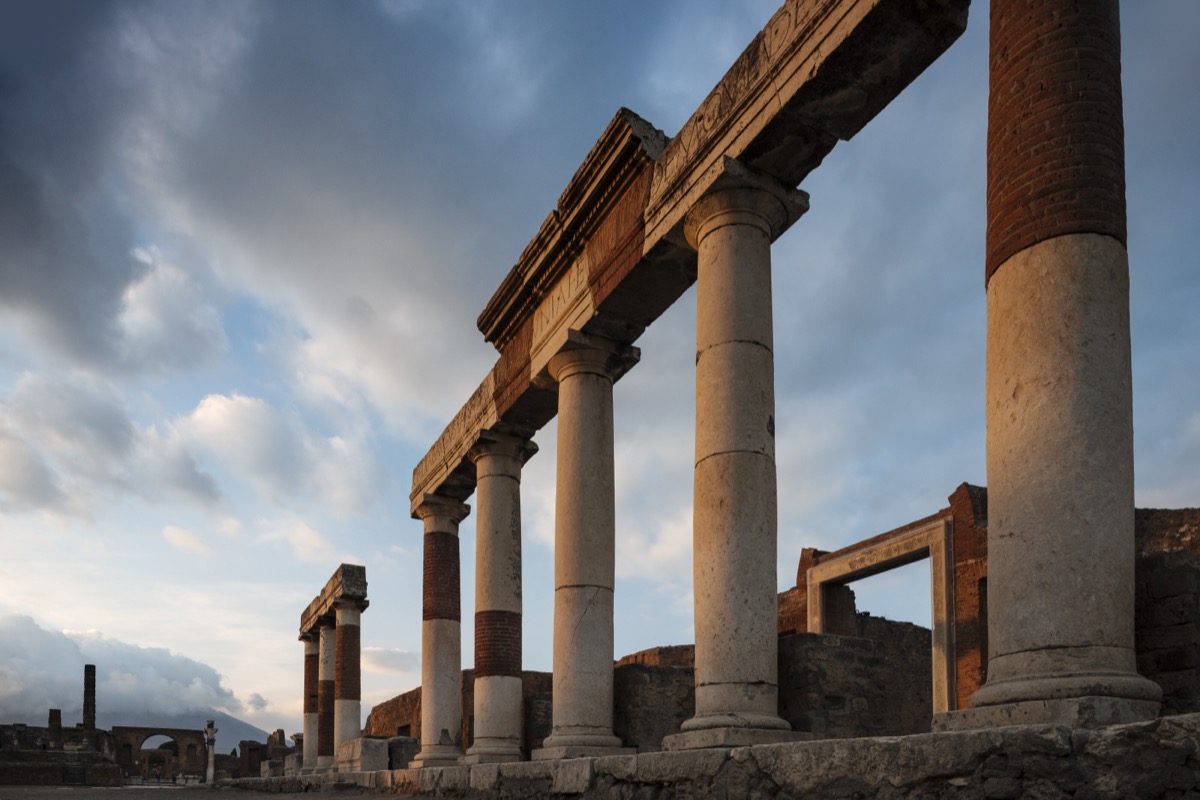
Highlights you will recognize at Pompeii
- The Forum and major public squares
- Large bath complexes
- Amphitheater and theaters
- Villas with frescoes and mosaics
- Long stretches of city streets and intersections
Highlights that stand out at Herculaneum
- Multi-story houses with preserved stairs and upper levels
- Carbonized wooden elements and interior details
- Smaller, denser city blocks
- A more intimate look at residential life
Choose based on your travel style
You should pick Pompeii if you want
- A full-day archaeological experience
- A broader sample of Roman city life
- Long walks with big open spaces
- A site that feels like a whole city
You should pick Herculaneum if you want
- A shorter visit with strong preservation details
- A quieter experience with fewer crowds
- A compact site that is easier to finish in half a day
- A closer look at house interiors and architecture
Can you visit both in one day?
Yes, but plan carefully. The most common approach is:
- Start early at Pompeii and focus on the main areas (Forum, baths, theaters, one or two villas).
- Leave by early afternoon and travel to Herculaneum.
- Spend 2-3 hours exploring Herculaneum with a detail-focused pace.
If you do both, prioritize comfort: water, sun protection, and sturdy shoes. Plan for a long day and avoid trying to do every corner of both sites.
Practical tips for either site
- Arrive early. Heat and crowds rise quickly in peak season.
- Wear shoes with grip. Ancient stones can be uneven and slippery.
- Plan your route. Pick a few core areas rather than trying to see all zones.
- Bring water. Especially in summer.
- Check official schedules. Opening hours and access rules can change by season or event.
Frequently asked questions
Is one site better for families?
Families often prefer Herculaneum for the shorter, less tiring visit. Pompeii works well for families with older children who can handle a full day of walking.
Is one site more photogenic?
Both are photogenic. Pompeii offers wide city vistas and open squares. Herculaneum offers more intimate architectural details and interior views.
Which one is closer to Naples?
Both are accessible from Naples via public transportation. Herculaneum is closer and usually faster to reach, while Pompeii takes longer but remains very reachable as a day trip.
Final decision guide
If you only choose one, decide based on time and travel style:
- All-day, big-city ruins: Pompeii
- Half-day, detailed preservation: Herculaneum
- History lover with a full day: both (with a focused itinerary)
If you are still unsure, start with Pompeii. It is the larger and more comprehensive of the two, and you can always return for Herculaneum later.