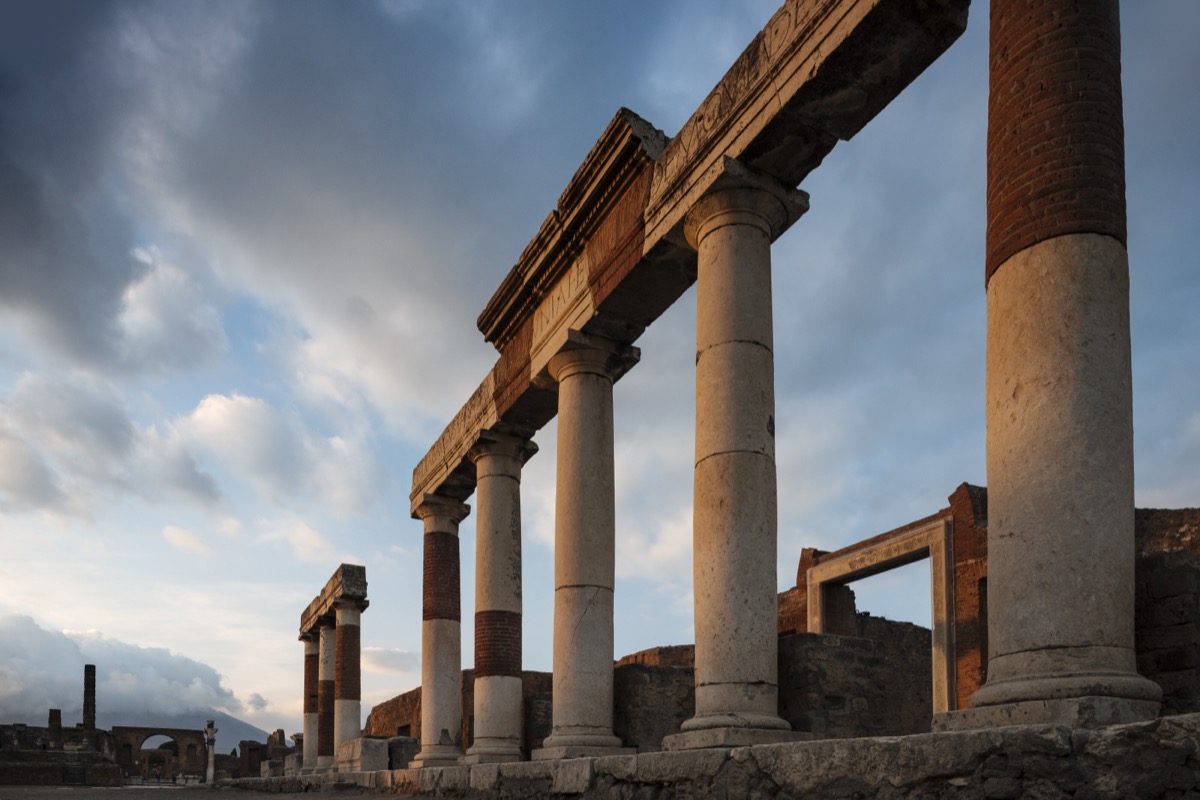
Modern Archaeological Techniques Revolutionizing Pompeii Preservation: From Digital Twins to AI Analysis
The ancient city of Pompeii, preserved in volcanic ash for nearly two millennia, stands as one of humanity's most remarkable archaeological treasures. But preserving this fragile time capsule requires more than traditional excavation tools and conservation methods. Today, cutting-edge archaeological technologies are revolutionizing how we study, preserve, and share Pompeii with the world.
From laser scanning that creates digital twins to artificial intelligence that analyzes ancient artifacts, modern archaeological techniques are transforming Pompeii preservation. These innovative approaches allow researchers to study the site without physical intervention while creating comprehensive digital archives for future generations.
The Evolution of Pompeii Archaeology
Traditional Methods vs. Modern Technology
For centuries, Pompeii archaeology relied on manual excavation, basic documentation, and chemical preservation techniques. While these methods uncovered remarkable insights about Roman life, they often caused irreversible damage to delicate artifacts and structures.
The turning point came in the early 21st century when digital technologies began to complement traditional archaeological methods. Today, a multi-disciplinary approach combines:
- Non-invasive imaging to study buried structures
- Digital documentation for comprehensive site mapping
- AI analysis for pattern recognition and artifact identification
- Virtual reality for public education and research
The Scale of Pompeii's Digital Transformation
Pompeii covers approximately 66 hectares (163 acres), with only about two-thirds excavated. The remaining third contains structures buried under 4-6 meters of volcanic material. Modern technologies allow researchers to study these hidden areas without excavation, while creating detailed records of already-exposed areas.
Groundbreaking Technologies in Pompeii Preservation
1. Laser Scanning and Photogrammetry
Laser scanning technology has revolutionized archaeological documentation at Pompeii. Using LiDAR (Light Detection and Ranging) systems, archaeologists create precise 3D models of structures, artifacts, and entire city blocks.
Key applications:
- Structural Documentation: Creating exact digital replicas of buildings and frescoes
- Change Detection: Monitoring structural deterioration over time
- Virtual Reconstruction: Rebuilding digitally what has been lost to time or damage
- Accessibility: Allowing researchers worldwide to study sites remotely
The Pompeii archaeological team has scanned over 90% of the excavated areas, creating a comprehensive digital archive that serves as both backup and research tool.
2. Artificial Intelligence and Machine Learning
AI is transforming how archaeologists analyze Pompeii's vast collection of artifacts and inscriptions.
Pattern Recognition in Artifacts:
- Automated Classification: AI algorithms identify and categorize thousands of pottery shards, coins, and tools
- Material Analysis: Machine learning identifies composition and origin of ancient materials
- Fresco Analysis: Computer vision algorithms detect fading pigments and suggest preservation strategies
Text Analysis and Translation:
- Latin Inscription Reading: AI helps decipher partially damaged inscriptions and graffiti
- Contextual Analysis: Understanding social and economic patterns through written records
- Multilingual Support: Translating Latin texts for global accessibility
3. Non-Invasive Imaging Techniques
Modern imaging technologies allow archaeologists to "see" beneath the surface without excavation.
Ground-Penetrating Radar (GPR):
- Subsurface Mapping: Identifying buried structures and artifacts
- Stratigraphy Analysis: Understanding layered archaeological deposits
- Risk Assessment: Detecting unstable areas before excavation
Infrared Thermography:
- Moisture Detection: Identifying water damage in walls and frescoes
- Material Analysis: Differentiating between original materials and modern repairs
- Conservation Monitoring: Tracking environmental changes affecting preservation
4. Digital Twins and Virtual Reality
Digital twins are exact virtual replicas of physical structures, allowing researchers and visitors to explore Pompeii in unprecedented detail.
Applications:
- Virtual Excavation: Testing excavation hypotheses in virtual environments
- Conservation Planning: Simulating the impact of different preservation strategies
- Public Education: Immersive virtual tours for remote visitors
- Research Collaboration: Sharing exact replicas with scholars worldwide
The Pompeii digital twin project includes:
- High-resolution 3D models of all major structures
- Interactive timelines showing the city's evolution
- Virtual reality experiences recreating daily life in ancient Pompeii
- Educational modules for schools and universities
Environmental Monitoring and Climate Control
Advanced Climate Monitoring Systems
Pompeii's preservation faces significant environmental challenges, including:
- Urban air pollution from nearby Naples
- Tourist-related humidity and carbon dioxide
- Climate change impacts including increased rainfall and temperature fluctuations
- Biological threats from mold, bacteria, and insects
Modern monitoring solutions:
- Real-time sensors tracking temperature, humidity, and air quality
- Automated climate control systems in key areas
- Predictive modeling forecasting environmental risks
- Remote monitoring allowing instant response to threats
Biological Preservation Technologies
Innovative approaches to combat biological deterioration:
- Nanotechnology coatings protecting frescoes from microbial growth
- UV-C light systems sterilizing environments without damaging artifacts
- Biological monitoring using DNA analysis to track microbial populations
- Climate-controlled storage for movable artifacts
Public Access and Education
Digital Accessibility Initiatives
Modern technologies are making Pompeii more accessible than ever:
Virtual Museum:
- Online exhibitions featuring digital artifacts
- Interactive timelines of the city's history
- Virtual reality tours for people unable to visit physically
- Multilingual content reaching global audiences
Educational Platforms:
- School programs using digital tools for remote learning
- Research databases accessible to scholars worldwide
- Citizen science projects involving the public in archaeological research
- Mobile applications providing on-site guidance and information
Preservation Through Technology
The paradox of modern tourism: While increased visitor numbers threaten physical preservation, digital technologies help manage this challenge by:
- Virtual queuing systems reducing physical crowding
- Digital ticketing managing visitor flow
- Remote experiences satisfying visitor interest without physical presence
- Educational content fostering appreciation and support for preservation
Challenges and Future Directions
Technical and Logistical Challenges
Implementing advanced technologies at Pompeii involves:
- Infrastructure requirements for data storage and processing
- Training archaeologists in digital methodologies
- Funding and resource allocation for technological upgrades
- Data management and long-term digital preservation
- International collaboration for sharing technological advancements
Emerging Technologies on the Horizon
The next frontier in Pompeii archaeology:
Quantum Sensing:
- Ultra-precise measurements of material composition
- Non-invasive analysis of buried artifacts
- Environmental monitoring at molecular levels
Blockchain for Provenance:
- Immutable records of artifact discoveries and restorations
- Transparent supply chains for conservation materials
- Digital ownership of virtual artifacts and reconstructions
AI-Driven Predictive Preservation:
- Machine learning models predicting deterioration patterns
- Automated intervention systems responding to environmental threats
- Personalized conservation strategies for different artifact types
The Human Element in Technological Preservation
Balancing Technology and Tradition
While advanced technologies offer unprecedented capabilities, the human element remains crucial:
Archaeological Expertise:
- Contextual interpretation that technology alone cannot provide
- Ethical decision-making in conservation approaches
- Cultural sensitivity in presenting archaeological findings
- Educational outreach explaining technological methods to the public
Community Involvement:
- Local stakeholder engagement in preservation decisions
- Traditional knowledge integration with modern methods
- Economic benefits from technological tourism
- Cultural preservation alongside archaeological conservation
Measuring Success in Pompeii Preservation
Quantitative Metrics
Technology-driven success indicators:
- Digital coverage: Percentage of site digitally documented
- Preservation rates: Reduction in deterioration of key artifacts
- Visitor satisfaction: Through digital accessibility improvements
- Research output: Increase in scholarly publications using digital data
- Educational reach: Global audience accessing Pompeii content
Qualitative Achievements
Beyond measurable metrics:
- Cultural preservation: Maintaining Pompeii's significance for future generations
- Scientific advancement: Contributing to archaeological methodology development
- Public engagement: Fostering global interest in classical antiquity
- Sustainable tourism: Balancing access with preservation needs
The Future of Pompeii Archaeology
Integrated Approaches
The most successful preservation strategies combine multiple technologies:
Multi-modal analysis:
- Combining imaging techniques for comprehensive artifact study
- Integrating AI with traditional methods for enhanced interpretation
- Using digital tools alongside physical conservation for optimal results
Predictive preservation:
- Anticipating future challenges through environmental modeling
- Proactive conservation preventing damage before it occurs
- Adaptive strategies responding to changing climate conditions
Global Implications
Pompeii's technological advancements benefit archaeology worldwide:
Methodology Transfer:
- Techniques developed at Pompeii applied to other archaeological sites
- Training programs sharing knowledge with international archaeologists
- Standardization efforts creating global best practices
Cultural Heritage Protection:
- Setting precedents for digital preservation of world heritage sites
- Inspiring innovation in archaeological conservation globally
- Demonstrating value of technology in cultural heritage management
Conclusion: Technology as Preservation's Ally
The marriage of ancient archaeology and cutting-edge technology at Pompeii demonstrates how innovation can enhance rather than replace traditional preservation methods. From digital twins that create permanent records to AI systems that accelerate research, these technologies ensure that Pompeii's remarkable story will be accessible and understandable for generations to come.
As we look to the future, the continued integration of advanced technologies with archaeological expertise promises not only to preserve Pompeii's physical remains but also to deepen our understanding of this extraordinary moment in human history. The ancient city that disappeared in volcanic ash in AD 79 continues to teach us about the past while showing us innovative ways to protect our shared cultural heritage.
The challenge for modern archaeologists is not whether to embrace technology, but how to use it most effectively to honor Pompeii's legacy while advancing our collective understanding of the ancient world.
By combining the precision of digital tools with the wisdom of archaeological tradition, we ensure that Pompeii remains not just a preserved ruin, but a living testament to human ingenuity, resilience, and the enduring power of technological innovation in service of cultural preservation.
What technological advancement in archaeology are you most excited about, and how do you think it will change our understanding of ancient civilizations? Share your thoughts and help shape the future of archaeological discovery.
The next time you visit Pompeii—or explore it virtually—remember that behind every preserved fresco and standing column is a team of archaeologists, conservators, and technologists working together to keep this ancient city alive for future generations. Their work reminds us that preservation is not just about protecting the past—it's about using the best tools available to ensure that ancient wisdom continues to inform and inspire our modern world.
Pompeii endures, not just as a monument to a catastrophic eruption, but as a beacon of human innovation in the face of unprecedented challenges.